A volcano reshaped a river. Can we bring its salmon back?
Chinook salmon thrived in Washington’s Toutle River before the 1980 eruption of Mount St. Helens. A new plan could help them rise again.
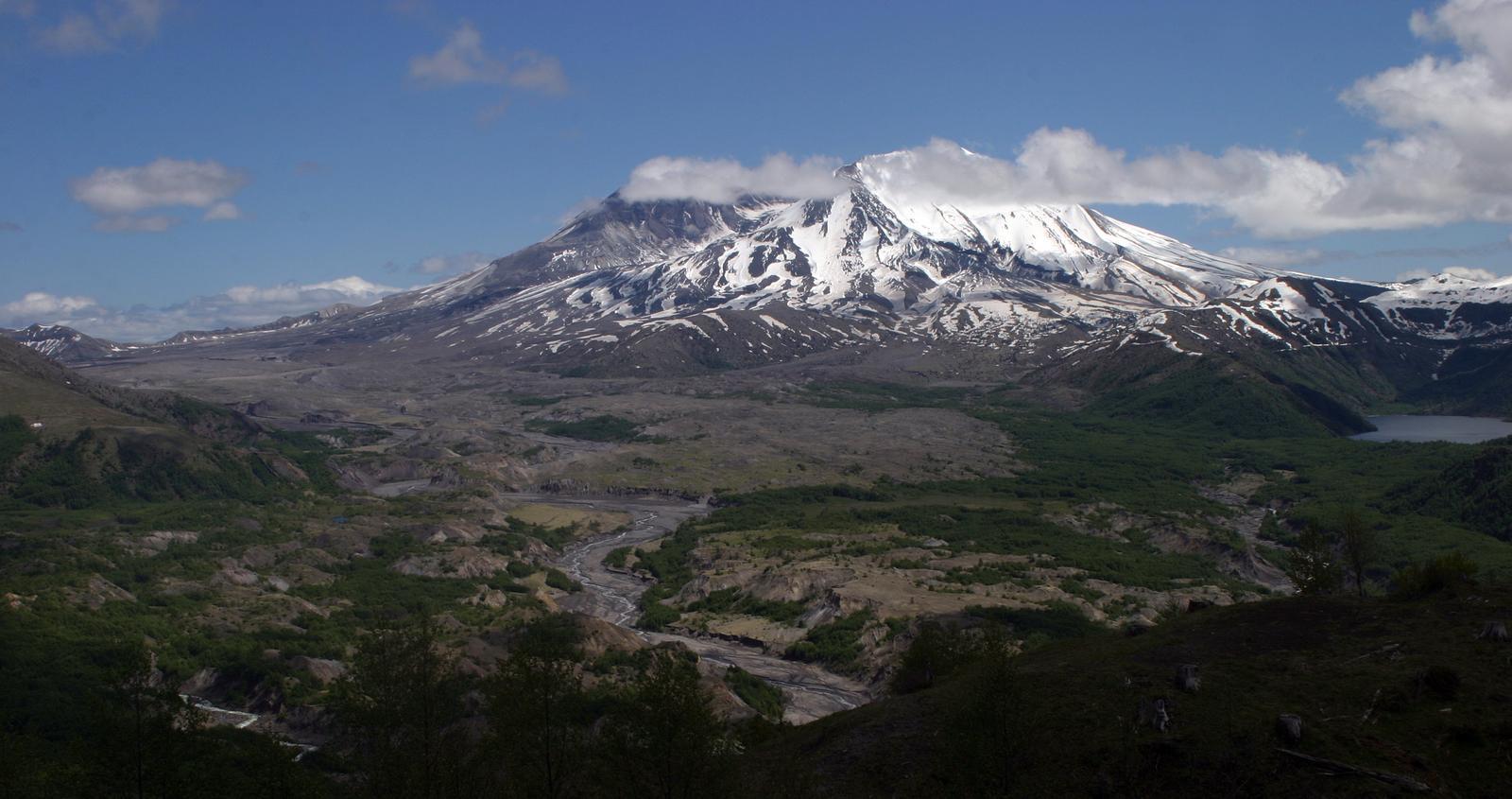
Photo Credit: $copyright
The 1980 eruption of Mount St. Helens transformed Washington’s Toutle River. New lakes formed. Spirit Lake, the Toutle’s historic headwaters, was cut off from surface flows. Rocks and sludge unleashed by the eruption’s rapid glacier melt scoured valleys, carved new channels, and inundated the valley with sediment.
With time, the river’s wild salmon runs might have found their way back into the upper basin—much of it now protected by the U.S. Forest Service as a national monument. Instead, migrating fish hit a literal wall on the North Fork Toutle. In the late 1980s, just above the river’s confluence with the Green River, the U.S. Army Corps of Engineers built a massive earthen retention dam here to protect downriver communities from landslides and floods.
“At a time when healthy salmon habitat is at a premium, the upper Toutle offers more than 40 miles of it, largely untapped,” says Wild Salmon Center Senior Salmon Watershed Scientist Dr. Will Atlas. “With reintroduction strategies and better fish passage, the Toutle could be a stronghold of the future.”
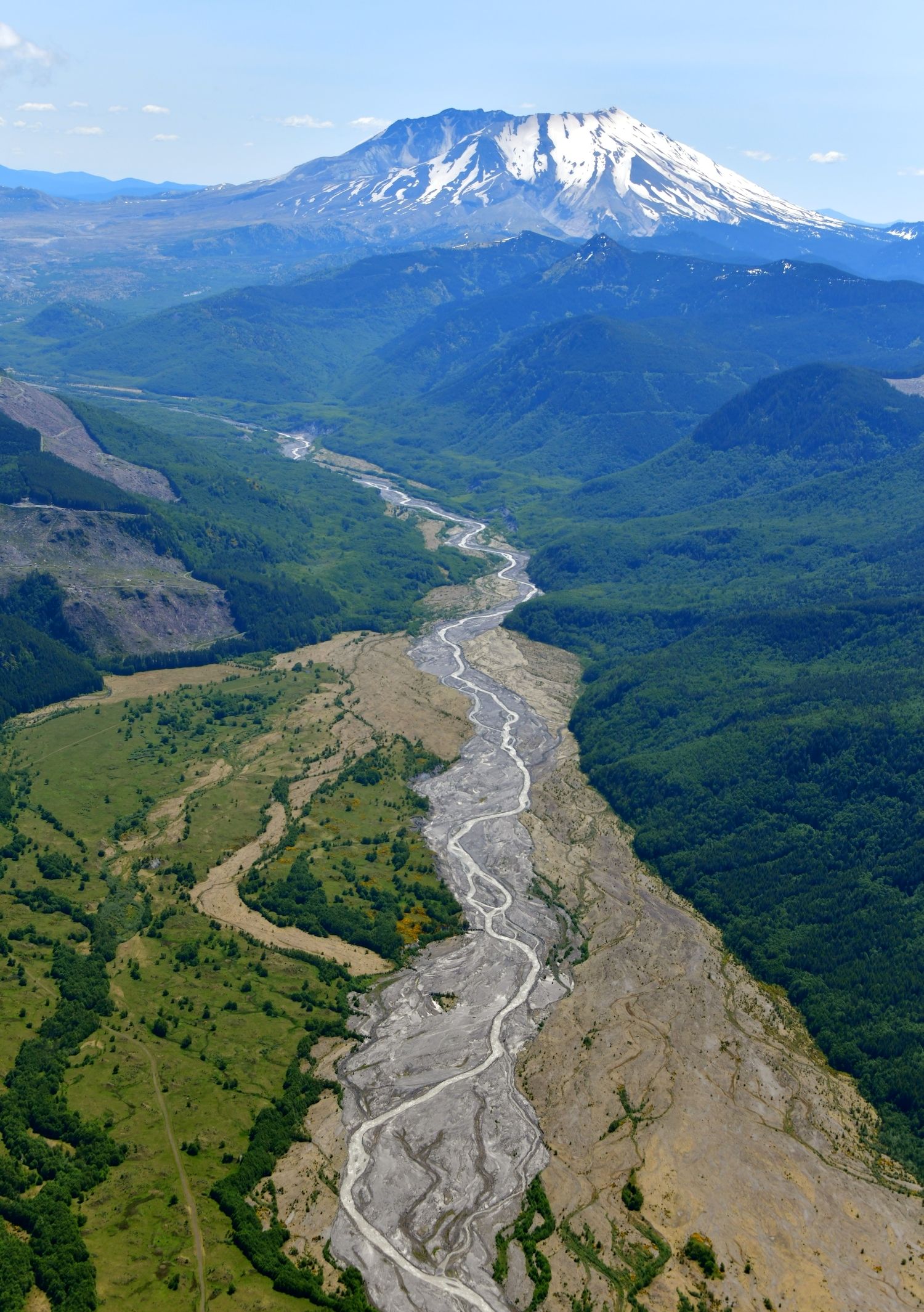
Photo Credit: Long Bach Nguyen
Now, after 46 years, a plan is underway to help Chinook salmon and other wild fish species reclaim the upper Toutle. Conceived by Dr. Atlas and Wild Salmon Center in partnership with the Washington Department of Fish & Wildlife and Cowlitz Tribe, the North Fork Toutle Fish Passage and Reintroduction plan assesses the status of wild fish above the dam, and outlines a path to reintroduce and recover diverse and abundant salmon and steelhead runs.
“At a time when healthy salmon habitat is at a premium, the upper Toutle offers more than 40 miles of it, largely untapped.”
Wild Salmon Center Senior Salmon Watershed Scientist Dr. Will Atlas
Wild Salmon Center: What’s the situation for fish on the North Fork Toutle?
Dr. Will Atlas: In 1989, after the dam was built, WDFW inherited a trap-and-haul operation to hopefully sustain salmon and steelhead runs after the eruption. Below the dam, there’s a fish ladder to a trap, where adult fish are collected between mid-September to early May, then marked and trucked to three specific tributary creeks. That collection window corresponds with coho and winter steelhead migrations, but not Chinook salmon.
WSC: How has trap and haul worked for these runs?
Dr. Atlas: At least some of the coho and winter steelhead that have been trucked upriver are successfully spawning, and some of their offspring are making it back over the dam’s spillway and out to sea. We know this because adult fish still show up in the fish trap, though very few in some years. Our plan outlines a few immediate ways we can improve fish passage and jumpstart populations above the dam.
WSC: Immediate ways like what?
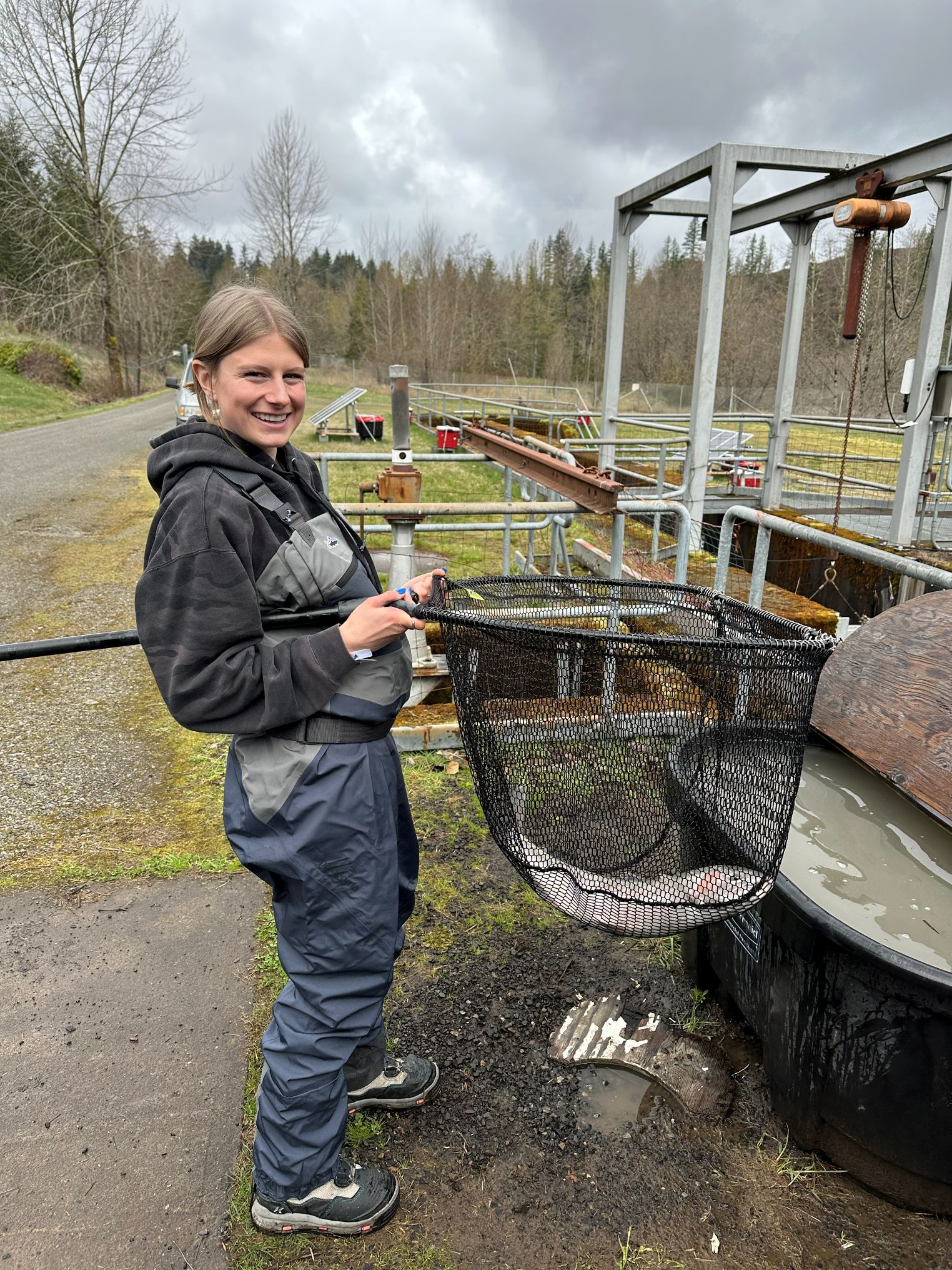
Photo Credit: Luke Brockman/Wild Salmon Center
Dr. Atlas: The plan starts with some improvements to the trap and haul operations. For example, some fish will be released in the Nork Fork Toutle mainstem above the dam, so that adult spawners can migrate naturally and home back to the places they were born. More natural migrations support local adaptation and genetic diversity, and could help fish find currently unoccupied tributaries—all key actions for long-term resilience. We also recommended that fish collection happen year-round, so that Chinook salmon, too, can again try their luck in the upper Toutle.
WSC: We can’t just take the dam out?
Dr. Atlas: Unfortunately, there’s no world in which that’s a possibility right now. The dam is holding back millions of cubic yards of sediment.
WSC: So what is the longer vision?
Dr. Atlas: Ultimately, the plan calls for building a fishway around the dam to eliminate the need for a trap and haul operation. That’s an expensive concept, but one that WDFW and the Cowlitz Tribe have both agreed to pursue over the long-term as partners in this plan. And Wild Salmon Center stands ready to help. We’ve seen what the Toutle has to offer, and that’s a future for salmon we want to make happen.
“With reintroduction strategies and better fish passage, the Toutle could be a stronghold of the future.”
Wild Salmon Center Senior Salmon Watershed Scientist Dr. Will Atlas
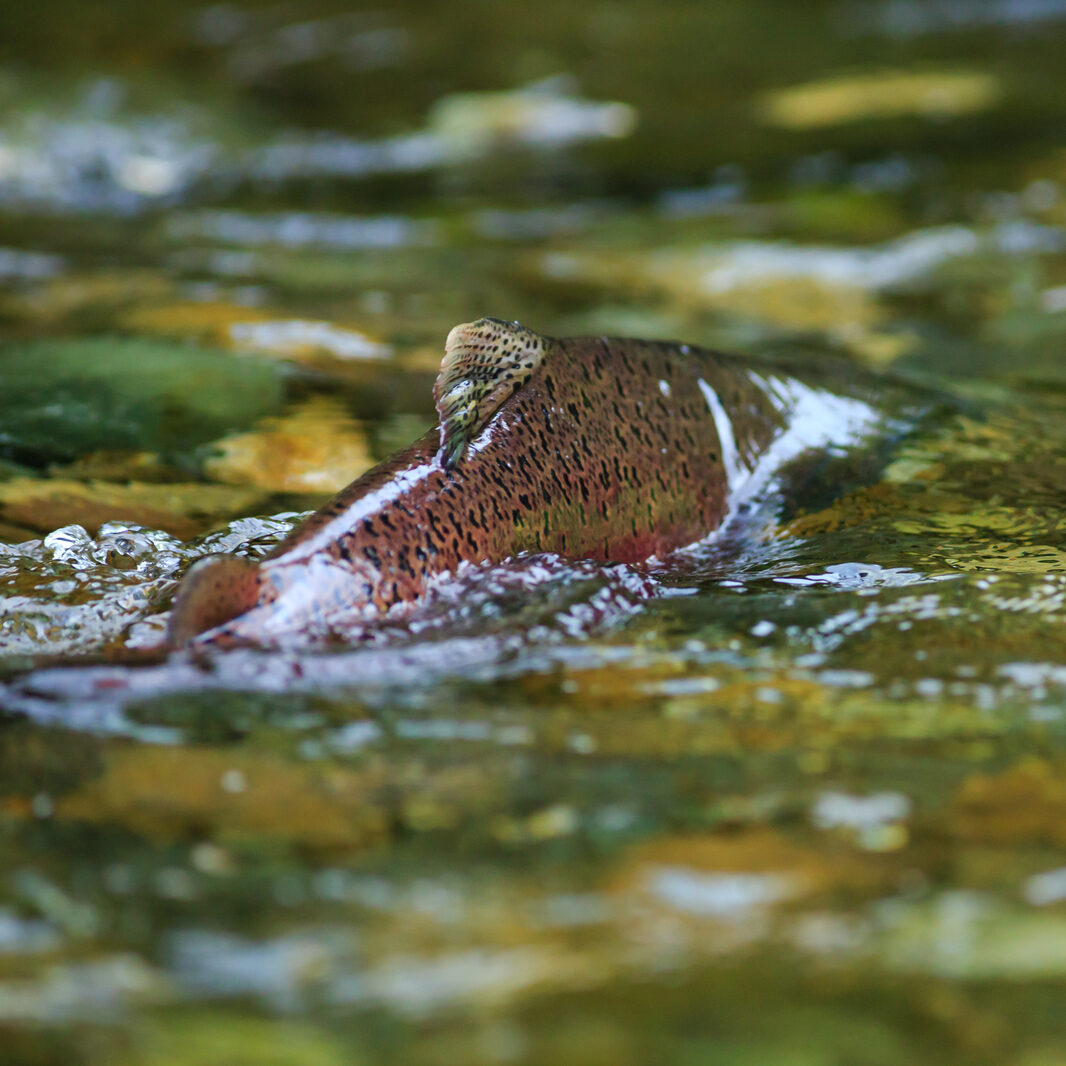
Photo Credit: Kevin Cass/Shutterstock
Related News
The mystery of the Hoh River Spring ChinookOctober 9, 2025 For the Makah, WWII is still a problem for salmon streamsJune 18, 2025 A $1.5M Win for Washington Wild FishApril 21, 2022Join the Movement
Stay up-to-date on what we’re doing for wild salmon and how you can help.
SUBSCRIBE