In British Columbia, new protected areas take shape
Across the province's north, First Nations leaders are driving B.C.'s biggest land conservation effort in three decades.
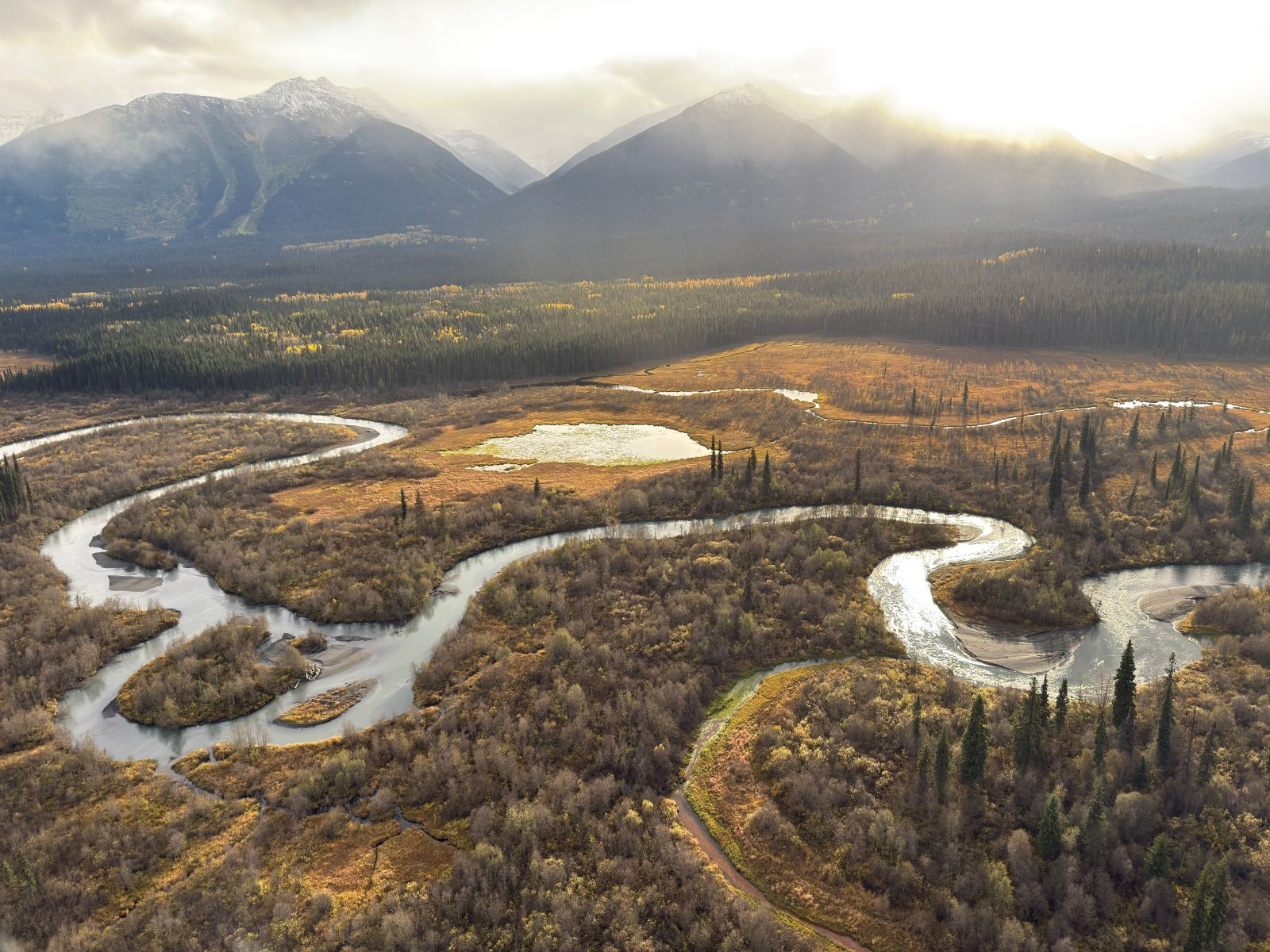
Photo Credit: $copyright
From the headwaters of the Skeena River to the Meziadin watershed—the “lungs” of the Nass River—momentum is growing to advance new protected areas across northern British Columbia.
According to Wild Salmon Center British Columbia Program Director Greg Knox, this moment is critical for wild salmon rivers in B.C., now the focus of a global push for mineral extraction. As the province actively facilitates increased mining and development, its leaders are also working with First Nations and other communities to make good on commitments to protect 30 percent of B.C. by 2030.
“First Nations leaders are driving the biggest land conservation effort here in three decades,” Knox says. “It could have huge impacts for wild salmon rivers and has our full support.”
“First Nations leaders are driving the biggest land conservation effort here in three decades. It could have huge impacts for wild salmon rivers.”
Wild Salmon Center British Columbia Director Greg Knox
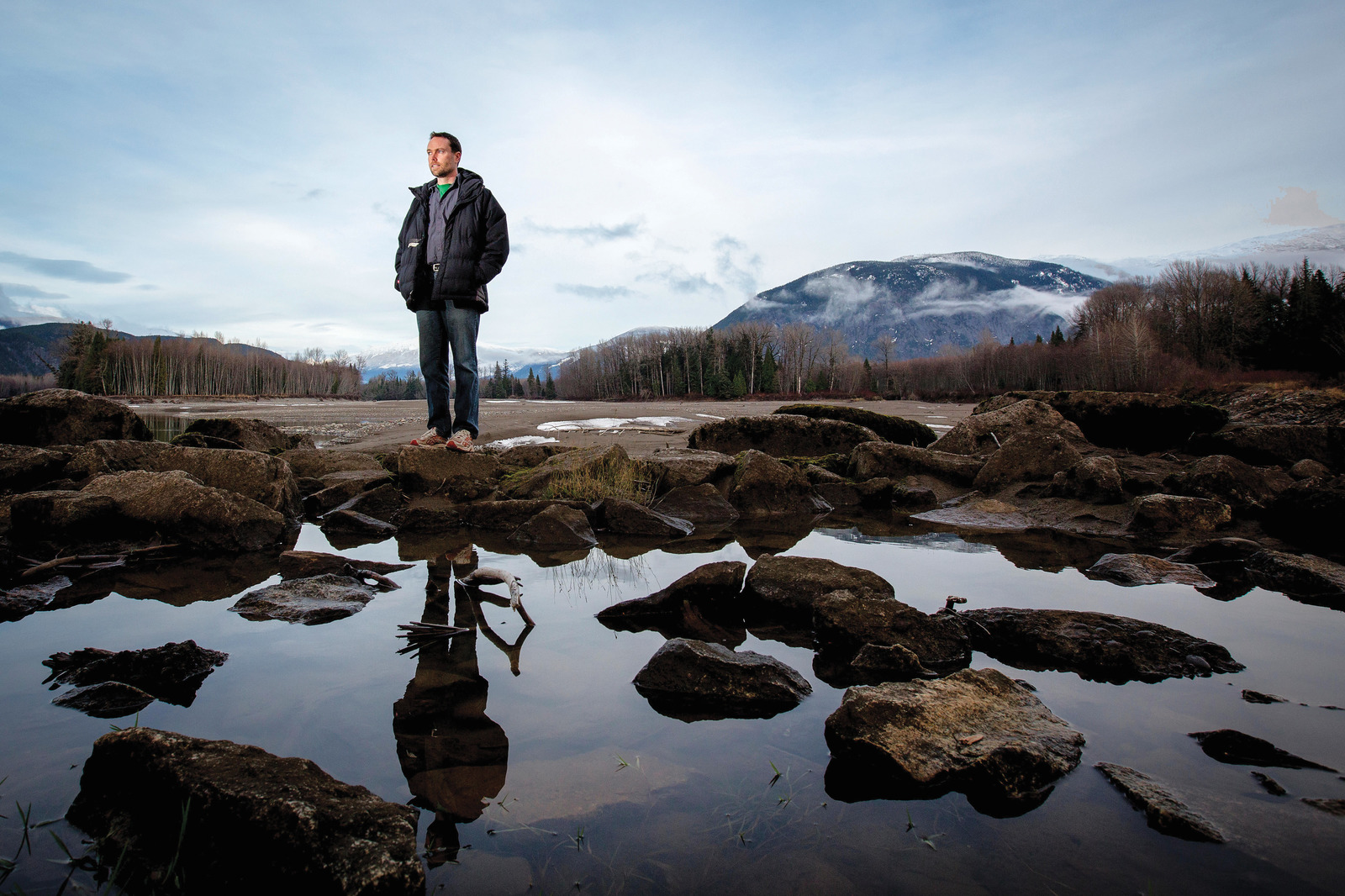
Photo Credit: Orjan Ellingvag, Alamy
This fall, three Indigenous-led protected areas in Northwest B.C.—the Meziadin, Klappan, and Dene K’éh Kusān—advanced to public review. If approved, more than 8.4 million new acres will achieve protected status under provincial law and the laws of stewarding First Nations, meaning these lands will be off limits to high-impact development such as industrial logging, mining, oil and gas production, and road-building.
The protected areas—located in the headwaters of the Nass River, in an adjacent area encompassing the headwaters of the Stikine, Skeena, and Nass, and across a vast, 7.4-million-acre area further north—would safeguard runs of Chinook, sockeye, coho, chum, pink salmon and steelhead, and some of the province’s best intact moose and caribou habitat.
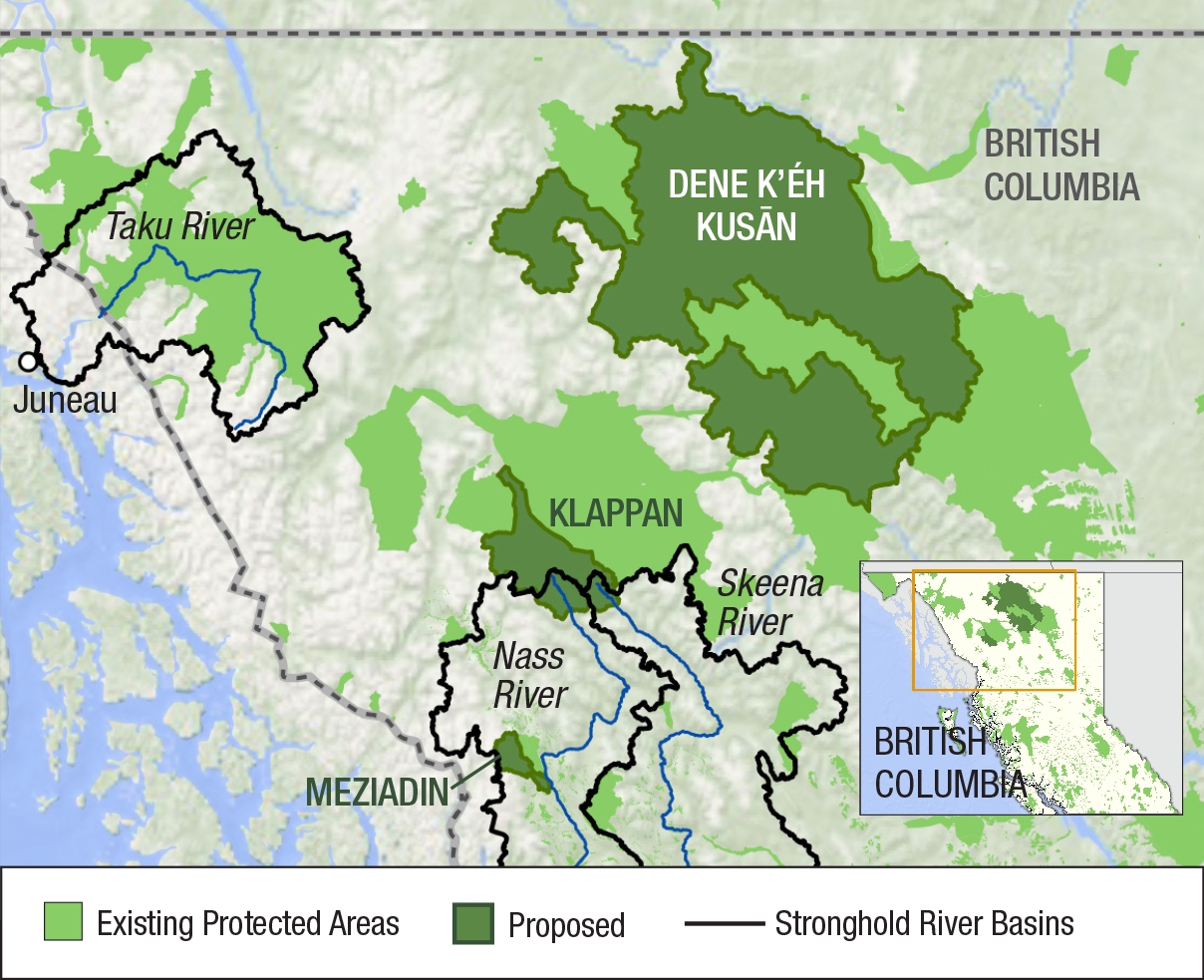
Photo Credit: Wild Salmon Center
Headwater streams in the Meziadin Basin produce roughly 75 percent of the Nass watershed’s sockeye salmon. The Klappan proposal, meanwhile, would protect source waters in B.C.’s storied Sacred Headwaters region, where First Nations united more than a decade ago to stop coal-bed methane drilling.
Indigenous-led protected areas in Canada date back more than 25 years. Now, as B.C. navigates mandates to both develop natural resources and protect more land and water, foundational work by First Nations is showing provincial leaders a way forward. In recent years, many B.C. First Nations have mapped and detailed new conservation areas important for hunting, fishing, gathering, and cultural practices. That groundwork led to an early 2026 commitment by the B.C. government to formally recognize and designate some for protected status. The Meziadin, Klappan, and Dene K’éh Kusān would be the province’s first step to honoring that commitment.
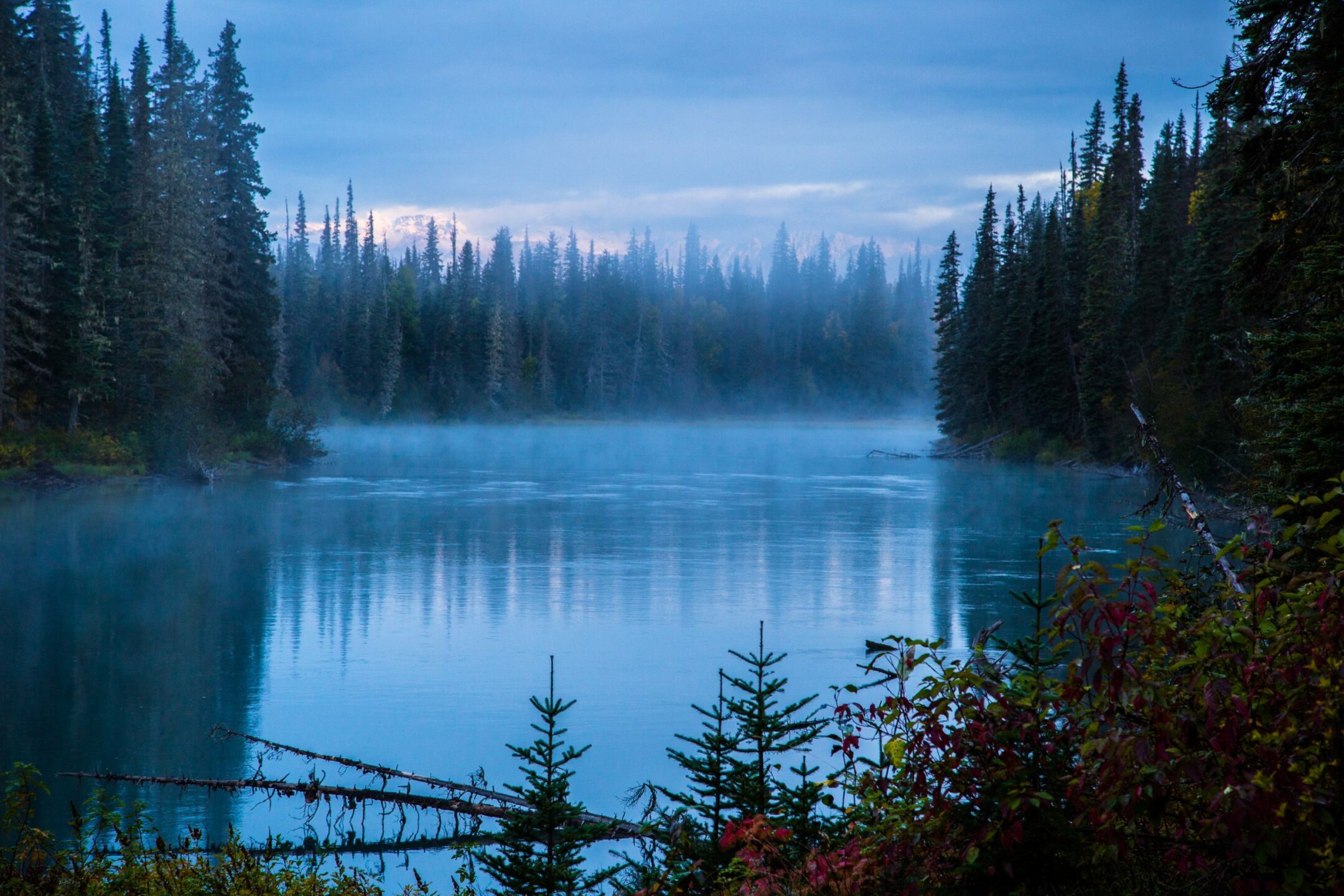
Photo Credit: Ken Morrish
According to Knox, proposals could soon advance in additional strongholds—including the Taku, where the province has yet to recognize a 4.5-million-acre Indigenous Protected and Conserved Area declared by the Taku River Tlingit Nation in 2023.
“As much as 12 million acres of fish and wildlife habitat could be permanently protected in the next four years,” Knox says. “This is a once-in-a-lifetime opportunity to protect 30 percent of B.C. land and waters forever.”
“This is a once-in-a-lifetime opportunity to protect 30 percent of B.C. land and waters forever.”
Wild Salmon Center British Columbia Director Greg Knox
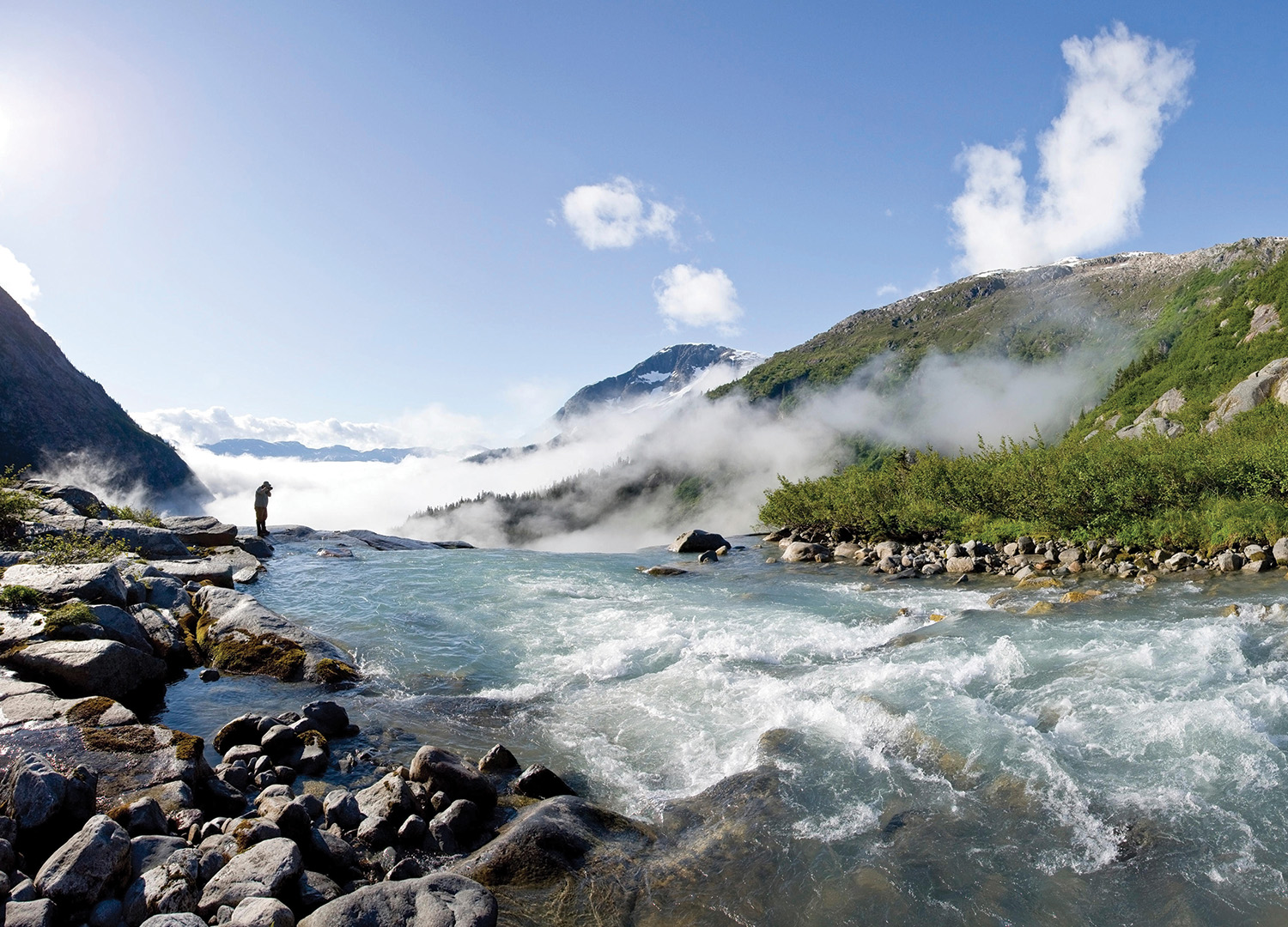
Photo Credit: Alamy
But Knox cautions that even as these efforts advance, provincial and federal governments are also making more investments in industrial development. This summer, Prime Minister Mark Carney’s government announced new fossil fuel pipelines and an expansion of the Red Chris copper and gold mine in the Stikine Basin, with supporting electrical transmission.
“We must remain vigilant to ensure that new development is done responsibly,” Knox says. “Protecting the healthy habitat we still have is key to ensuring that B.C.’s wild salmon can recover and thrive in the future.”
“Protecting the healthy habitat we still have is key to ensuring that B.C.’s wild salmon can recover and thrive in the future.”
Wild Salmon Center British Columbia Director Greg Knox
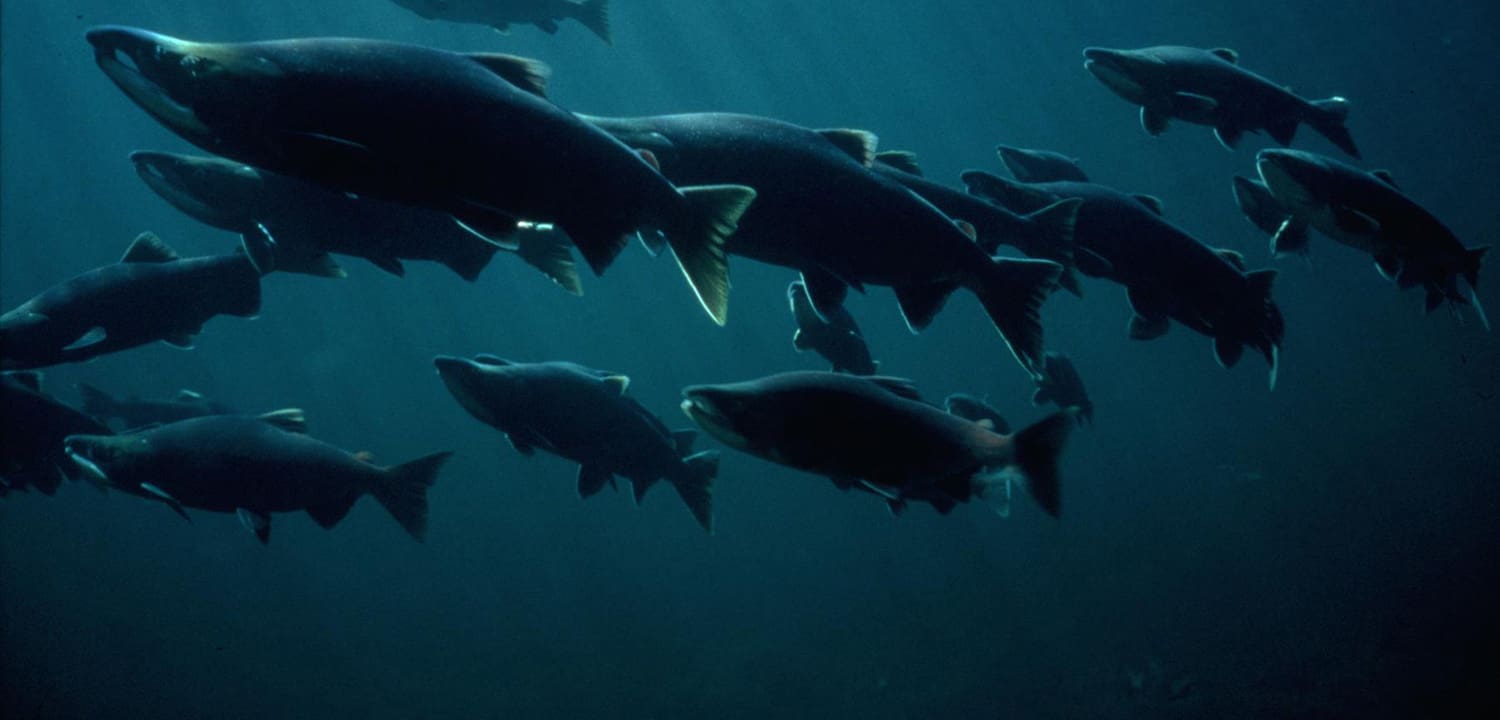
Photo Credit: Barrie Kovish
Related News
How proactive salmon conservation can deliver global benefitsApril 15, 2025 Welcome Greg KnoxApril 4, 2025 Heart of Steel | Part 3October 17, 2023Join the Movement
Stay up-to-date on what we’re doing for wild salmon and how you can help.
SUBSCRIBE