Big milestone reached for Oregon’s Coastal Rainforest
Federal fisheries agencies have approved a plan to protect salmon, steelhead, and trout rivers in two Oregon state forests.
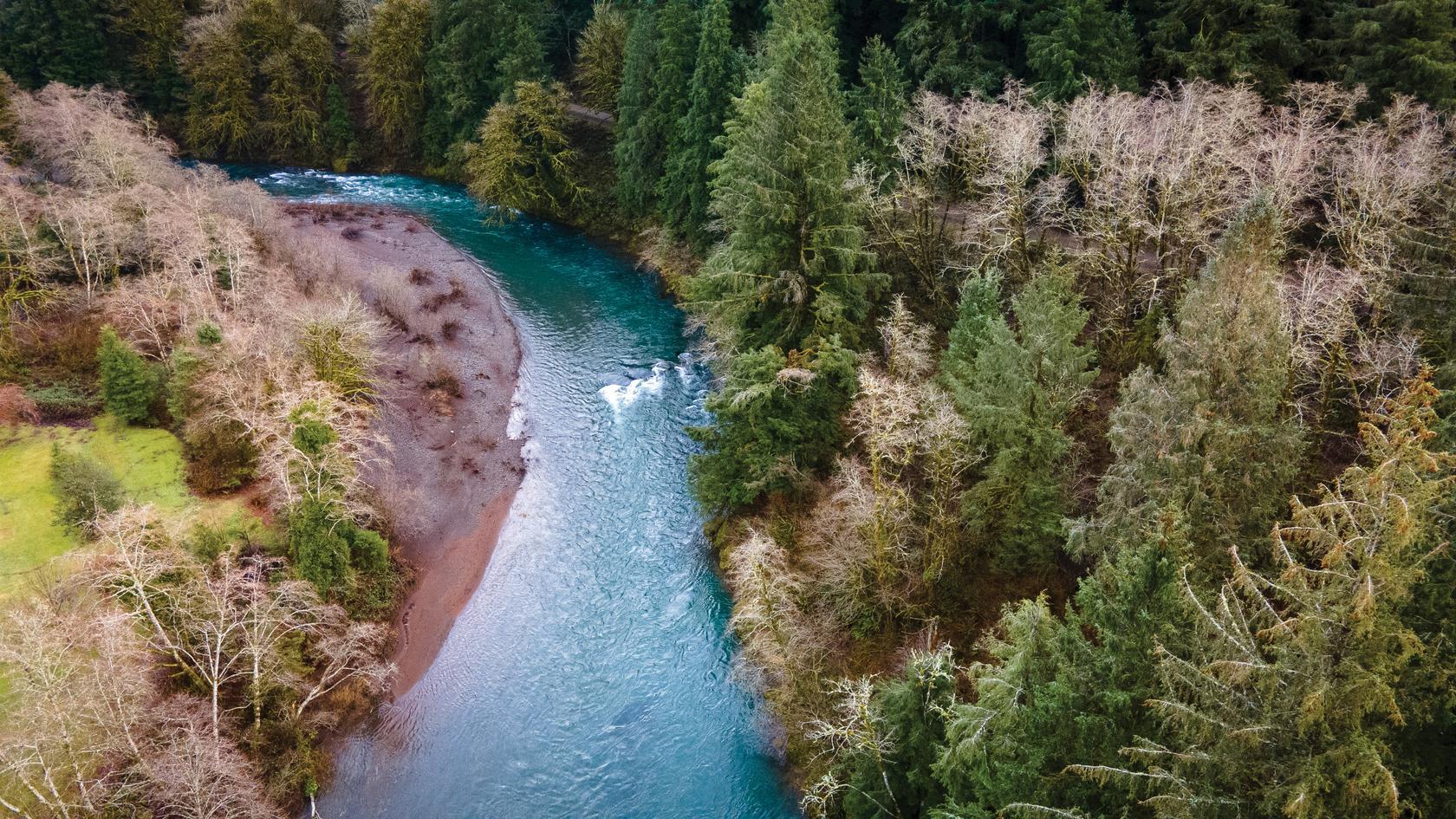
Photo Credit: $copyright
In early September 2026, we reached a milestone 25 years in the making. Federal fisheries agencies approved a 70-year plan to protect salmon, steelhead, and trout rivers and streams in Oregon’s Tillamook and Clatsop State Forests. These forests are home to Oregon’s Coastal Rainforest, a globally-important salmon stronghold.
Whether you’re new to Wild Salmon Center’s work or have been with us for every step of this journey, we hope you take a moment to celebrate this win. This plan means: strong protections for streamside riparian areas, steep slopes, and headwater streams across more than 600,000 acres of state forest; increased salmon habitat restoration; and better timber harvest practices to protect wild fish throughout this acreage.
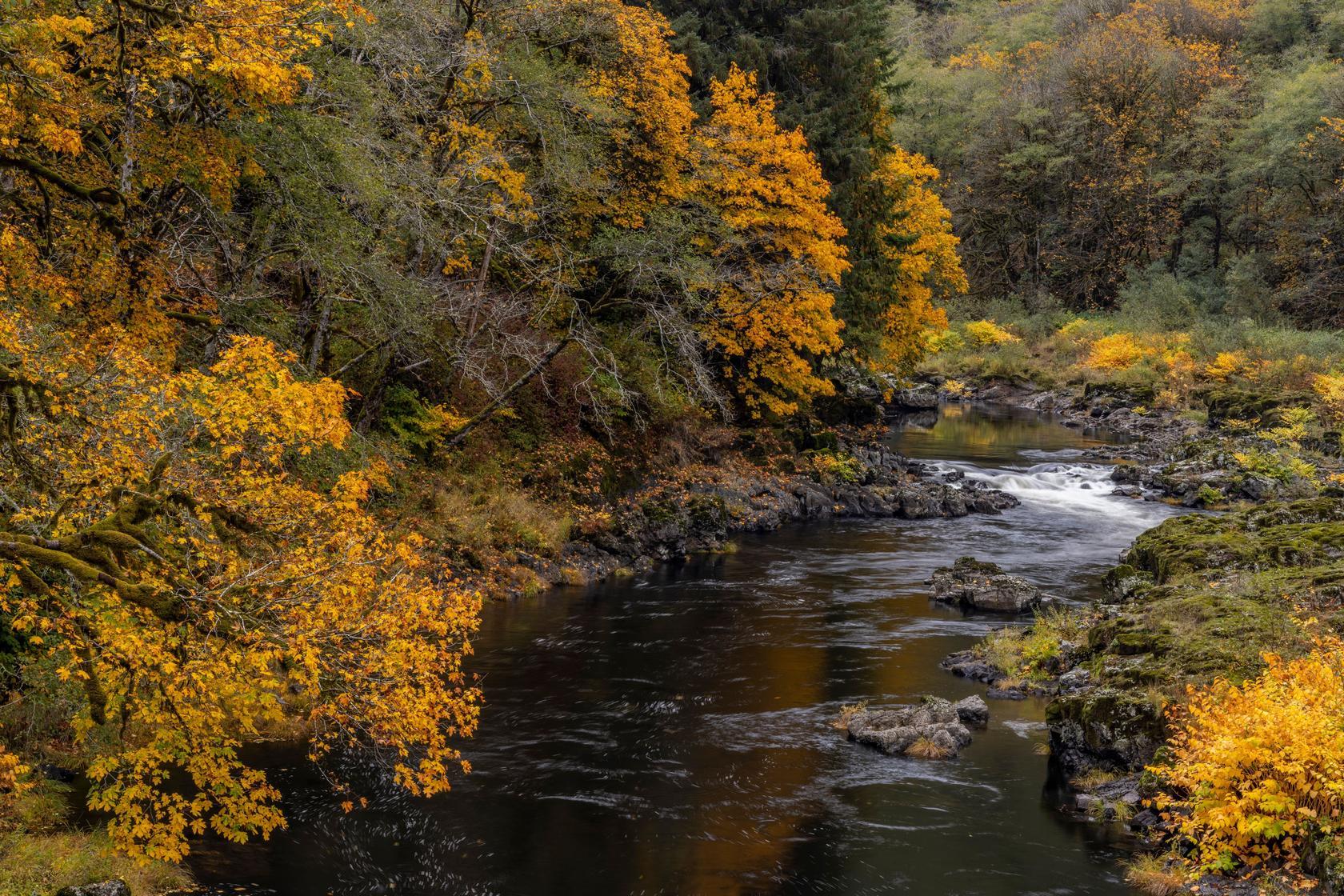
Photo Credit: Danita Delimont, Alamy
These forestlands are vital to the future of wild salmon across the Pacific. They encompass the headwaters of six world-class wild salmon and steelhead rivers that flow into Tillamook and Nehalem Bays—the Trask, Wilson, Kilchis, Miami, Nehalem, and Salmonberry.
Drawing up to 100 inches of rain annually across a network of forested streams, wetlands, and estuaries, Oregon’s Coastal Rainforest is a virtual fish factory that supports thousands of coho, cutthroat trout, and winter steelhead, rare summer Chinook, and famous runs of fall Chinook that arrive in waves from September to January of each year. The Tillamook Basin is also home to the southernmost viable runs of Pacific chum salmon. The rivers of this salmon stronghold region draw salmon and steelhead anglers to Oregon’s North Coast from across the United States, fueling a $550 million outdoor recreation economy.
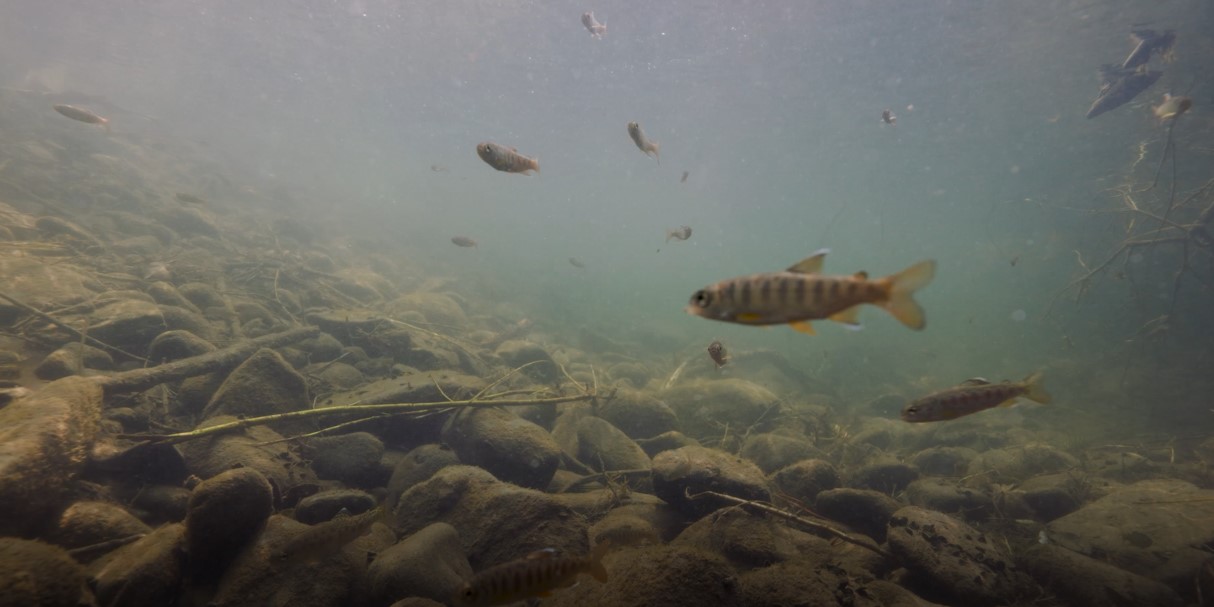
Photo Credit: Brian Kelley
Despite this, the state forests of Oregon’s North Coast have been overharvested for decades, in part because logging supported local schools and other services. Wild Salmon Center has never pushed for an end to this logging. Rather, we aimed for better harvest policies that set aside stream buffers, steep slopes, and other key fish and wildlife habitat. That’s exactly what we’ve won in this approved plan.
We aimed for better harvest policies that set aside stream buffers, steep slopes, and other key fish and wildlife habitat. That’s exactly what we’ve won in this approved plan.
This win was made possible by years of dedicated work by Wild Salmon Center Oregon policy team members Stacey Detwiler and Michael Lang, former Oregon Policy Director Bob Van Dyk, and many allies who joined them over the years on the heavy lifting to get these protections across the finish line. Good change takes a long time—which is why Wild Salmon Center is committed to working over decades to see durable protections through.
There’s more work to do, including securing approval for the wildlife portion of the habitat conservation plan later this year, and defending the plan in the Oregon legislature, in the courts, and on the ground. But we are here to protect the great rivers of Oregon’s Coastal Rainforest for the long haul. We will never give up.
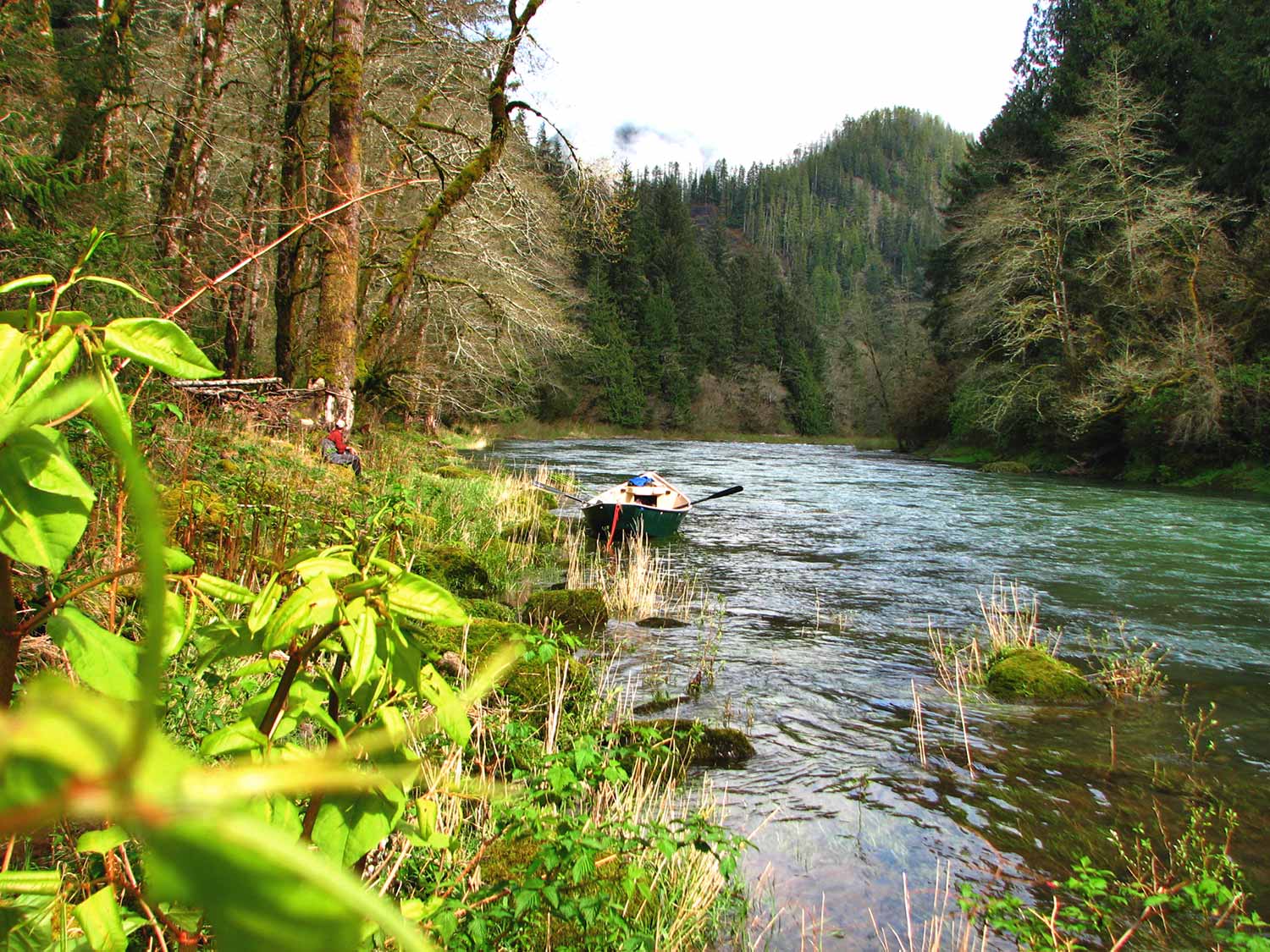
Photo Credit: Bryan Huskey
Related News
Anchoring the Tillamook’s RecoveryJune 21, 2023 A Proud Legacy: Bob Van Dyk's 12 Years in Oregon PolicyDecember 12, 2022 A 70-Year Conservation Plan for the TillamookOctober 19, 2020Join the Movement
Stay up-to-date on what we’re doing for wild salmon and how you can help.
SUBSCRIBE