A salmon fishery comes home
The Sitka Tribe of Alaska is using Salmon Vision technology to sustain key fisheries on Redoubt Lake.
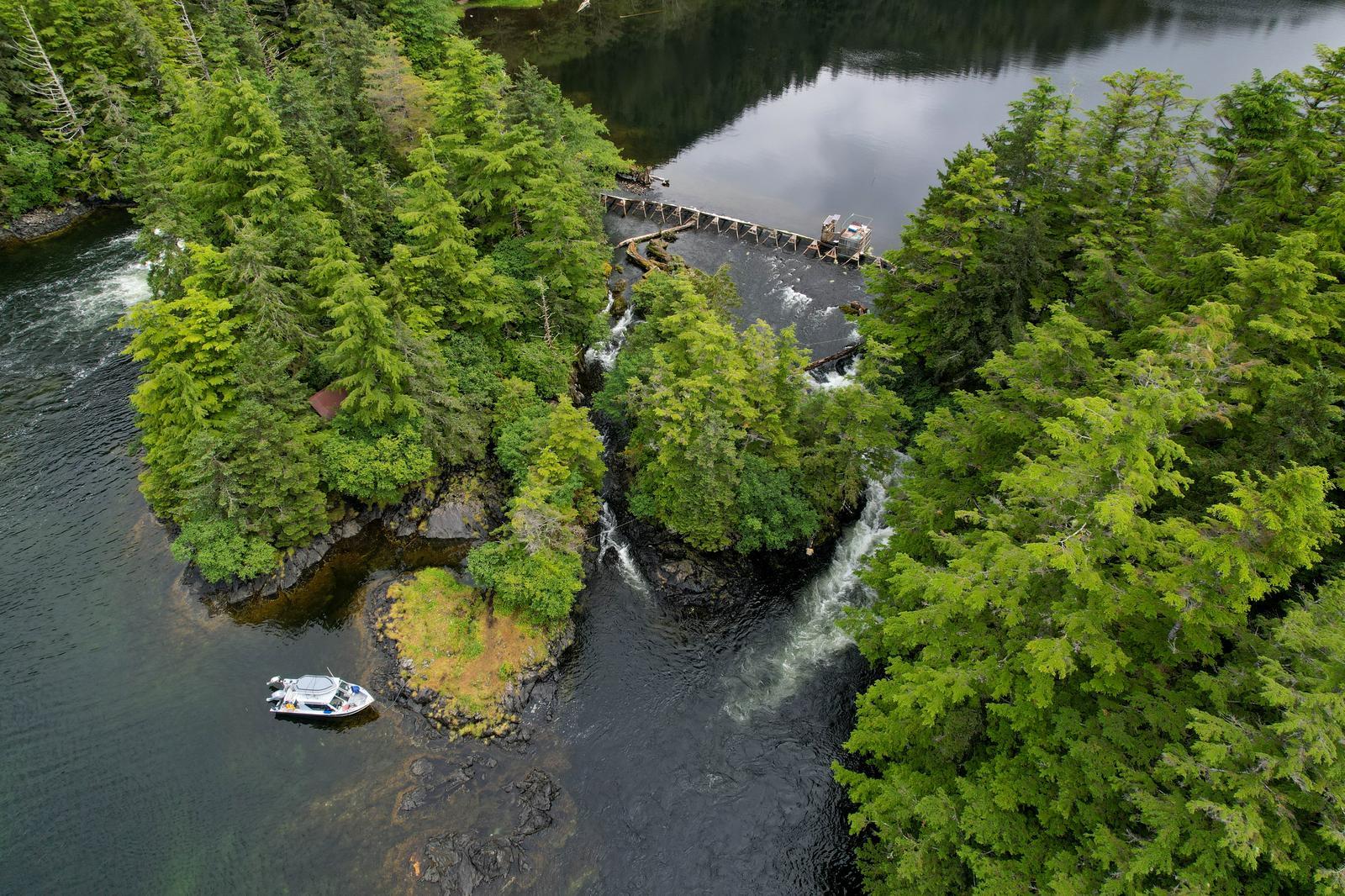
Photo Credit: $copyright
For the Sitka Tribe of Alaska, gaat (sockeye salmon) are a vital food source and irreplaceable part of Haa Kusteeyí—“our way of life”—on Baranof Island. For Tribal citizens, that life is sustained by Kunáa Shak.áayi, also known as Redoubt Lake.
Known for abundant sockeye runs, Redoubt Lake and its bay are true terminal fisheries. Both the lake’s subsistence fishery—Southeast Alaska’s largest—and commercial fisheries in the bay carefully target local salmon at the end of their home migrations.
But in 2024, federal budget cuts threatened the operation of a monitoring weir that had been in place since 1982, when only 453 sockeye returned. No weir would mean no fish counts. No counts would mean lower bag limits for subsistence fishers. Elders wouldn’t receive their usual sockeye distribution. The commercial fishery couldn’t open. The Tribe scrambled to muster resources, and the weir stayed open.
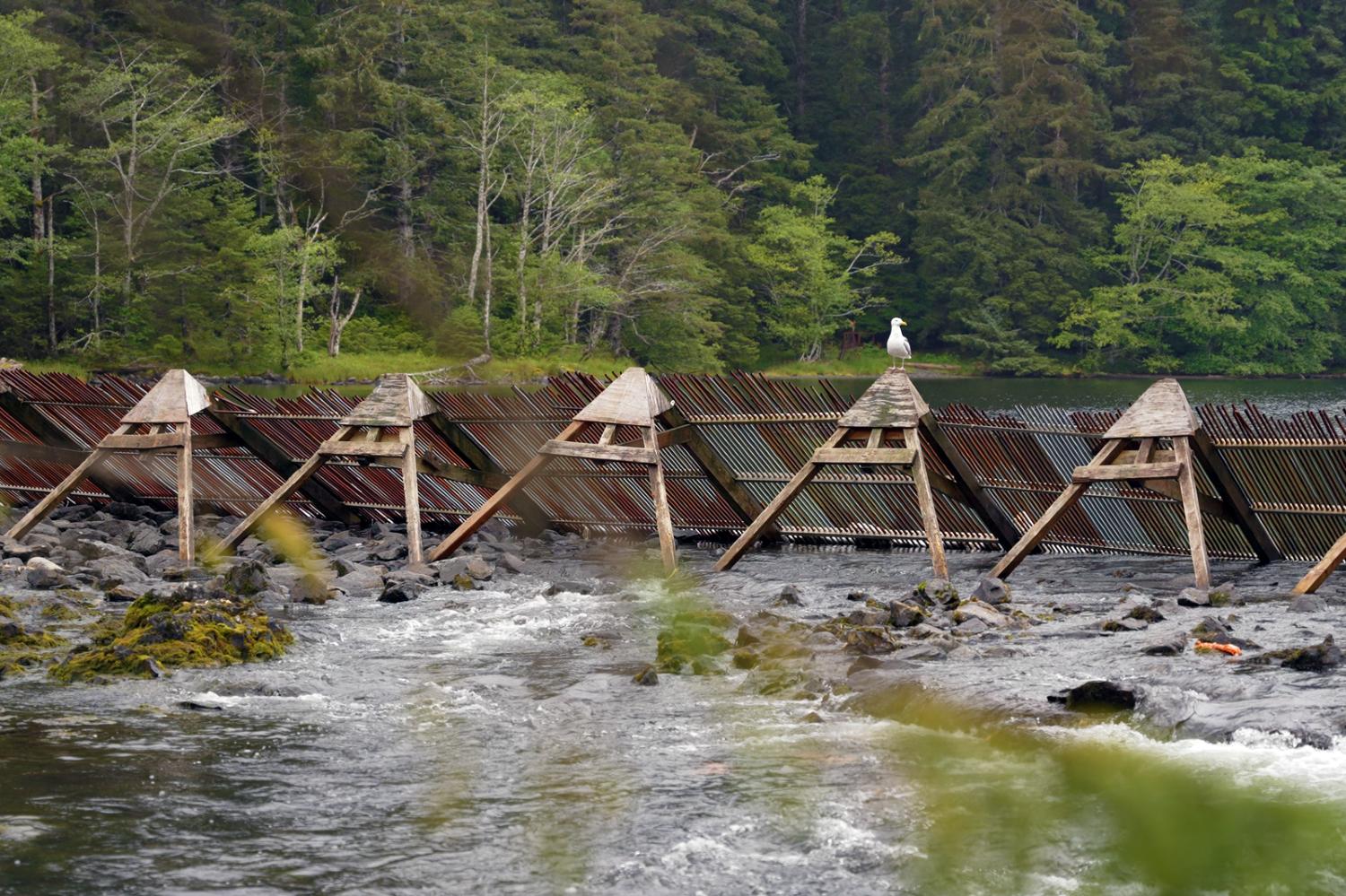
Photo Credit: Lee House/ Sitka Conservation Society
But the Tribe also needed a longer-term solution. It found one in Salmon Vision: automated fish counting software co-developed by Wild Salmon Center. Real time counts help communities and fisheries managers respond proactively to shifts in salmon abundance—and climate, economics, and policy. Proactive management is key to our goal of improving salmon fisheries across the Pacific, so that wild runs thrive long into the future.
“Our fisheries are as sustainable as you can get,” says Kyle Rosendale, a Fisheries Biologist with the Tribe’s Resource Protection Department. “But without data, we can’t prove that enough sockeye made it home to start fishing.”
“Our fisheries are as sustainable as you can get. But without data, we can’t prove that enough sockeye made it home to start fishing.”
Kyle Rosendale, Resource Protection Department Fisheries Biologist, Sitka Tribe of Alaska
Salmon Vision provides that data, now owned by the Sitka Tribe of Alaska. Last summer, the Tribe tested the software at the lake. In Summer 2026, Salmon Vision will run the full season.
“Salmon Vision can keep our community fisheries alive,” Rosendale says. “That means enough sockeye in freezers and more opportunities for fishers. It also means more direct stewardship in the hands of local champions.”
As of Summer 2026, Salmon Vision isn’t just in place at Redoubt Lake. It’s in Alaska’s Chignik River, updating a web app for staff at the Alaska Department of Fish & Game. It’s up and running in the Bear River, a tributary of the Skeena in British Columbia. It’s in Washington’s Elwha River, and dozens of other locations up and down the West Coast of North America.
According to Salmon Vision co-founder and Wild Salmon Center Senior Salmon Watershed Scientist Dr. Will Atlas, the software is currently counting fish for 24 Indigenous nations, fishery managers, and communities. He says that this machine learning tool is part of a bigger movement.
“Salmon Vision empowers our partners to manage their fisheries more sustainably and come to decision-making tables backed by their own data,” Dr. Will Atlas says. “It puts them in the driver’s seat.”
“Salmon Vision empowers our partners to manage their fisheries more sustainably and come to decision-making tables backed by their own data. It puts them in the driver’s seat.”
Wild Salmon Center Senior Salmon Watershed Scientist Dr. Will Atlas
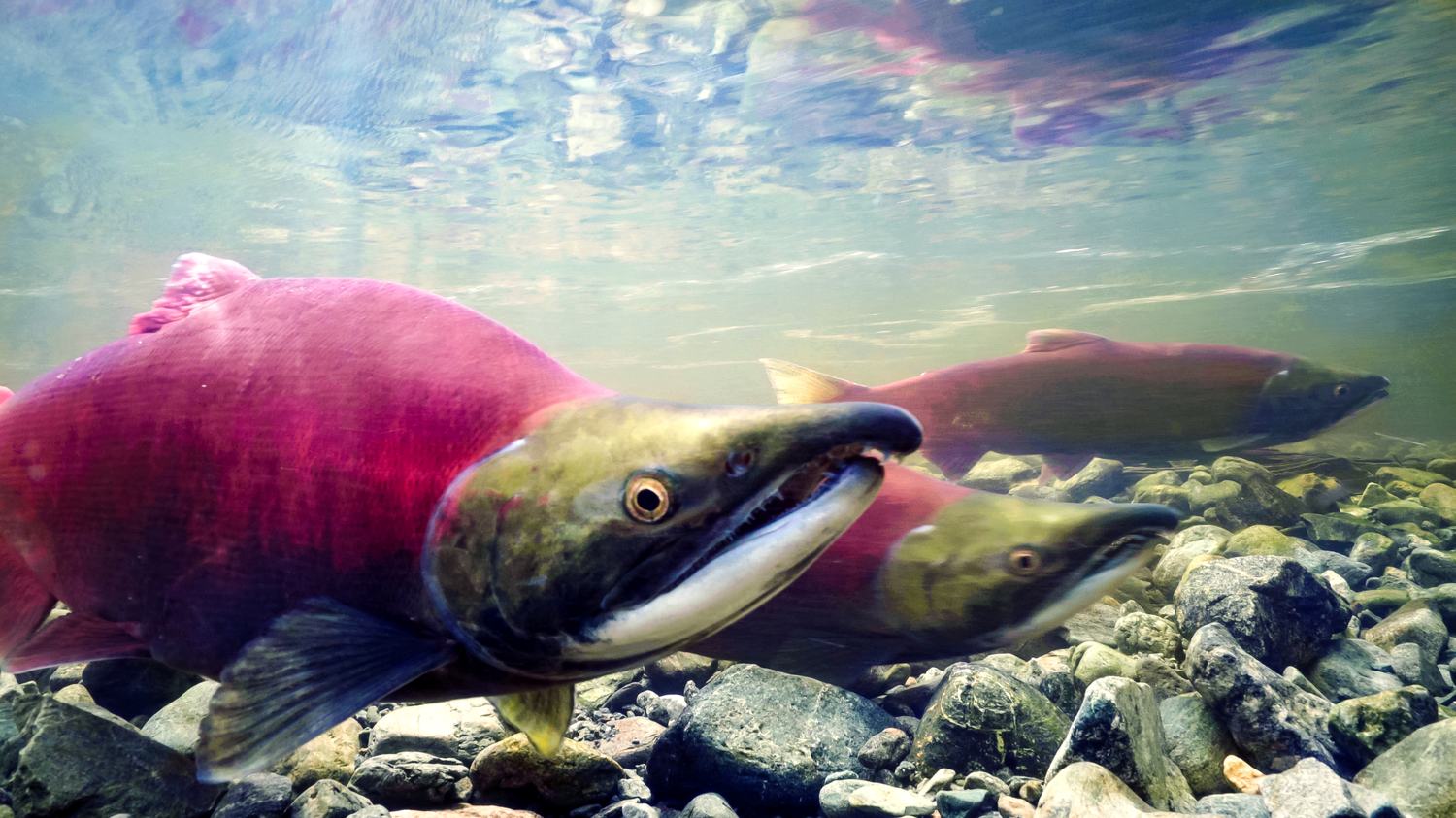
Photo Credit: Ben Hamilton/Sitka Wonders
Related News
Artificial Intelligence, Meet Indigenous Fishing TechnologyOctober 18, 2023 How We’re Fixing a Key Data Gap For Fisheries ManagersDecember 14, 2022 Indigenous Fishing Practices Hold Promise for FutureDecember 9, 2020Join the Movement
Stay up-to-date on what we’re doing for wild salmon and how you can help.
SUBSCRIBE