Get ready to defend Oregon’s Wild Rivers Coast
In early 2027, you can take action to stop strip mining and protect salmon in Oregon and Northern California. Here’s what you need to know.
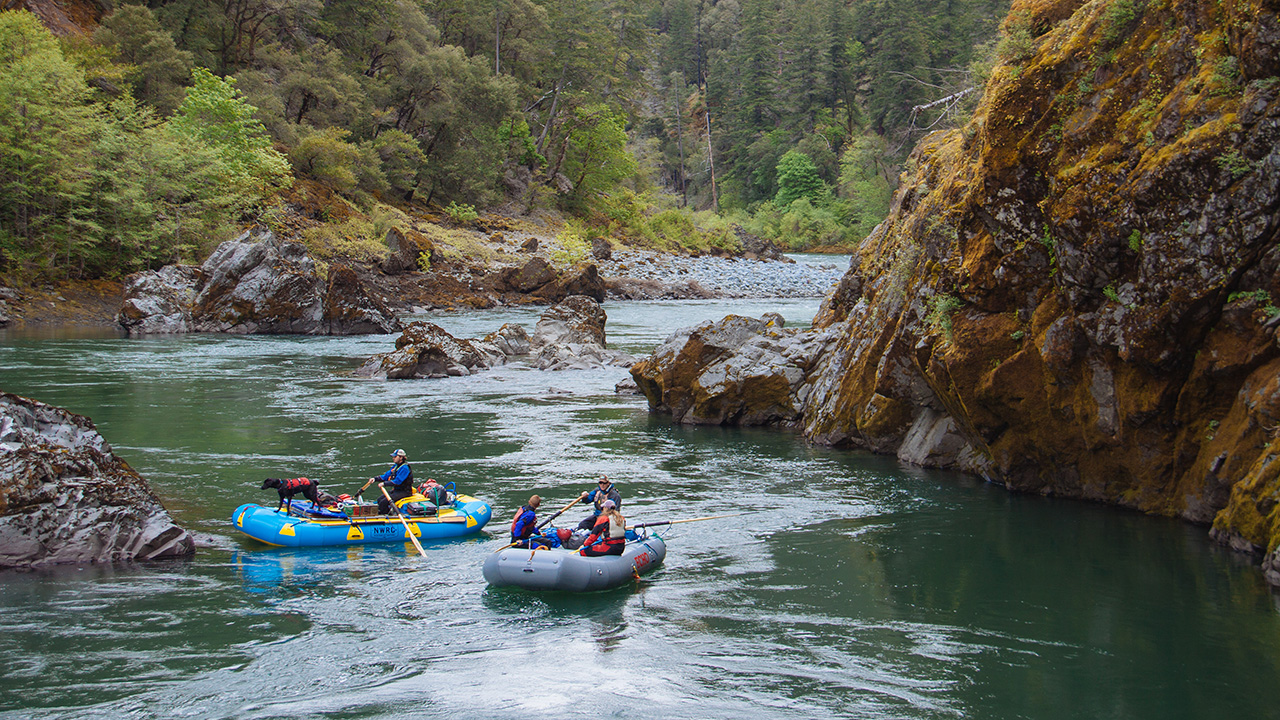
Photo Credit: $copyright
The Wild and Scenic Illinois. The North Fork Smith. The legendary Rogue River. You’ll find some of America’s most stunning wild salmon watersheds in one special region within Southwest Oregon and Northwest California. The Wild Rivers Coast is home to ancient serpentine geology, crystal clear flows, and one the richest concentration of rare and endemic plants in the contiguous United States.
But the Wild Rivers Coast now faces a generational threat. Industrial metals mining—the single largest source of toxic pollution in the U.S., according to the Environmental Protection Agency—is trying to open new strip mining operations here. You can fight back. In early 2027, you can speak up to protect two of these rivers through a powerful state designation.
Here’s what you need to know about this threat, and how you can make a difference.
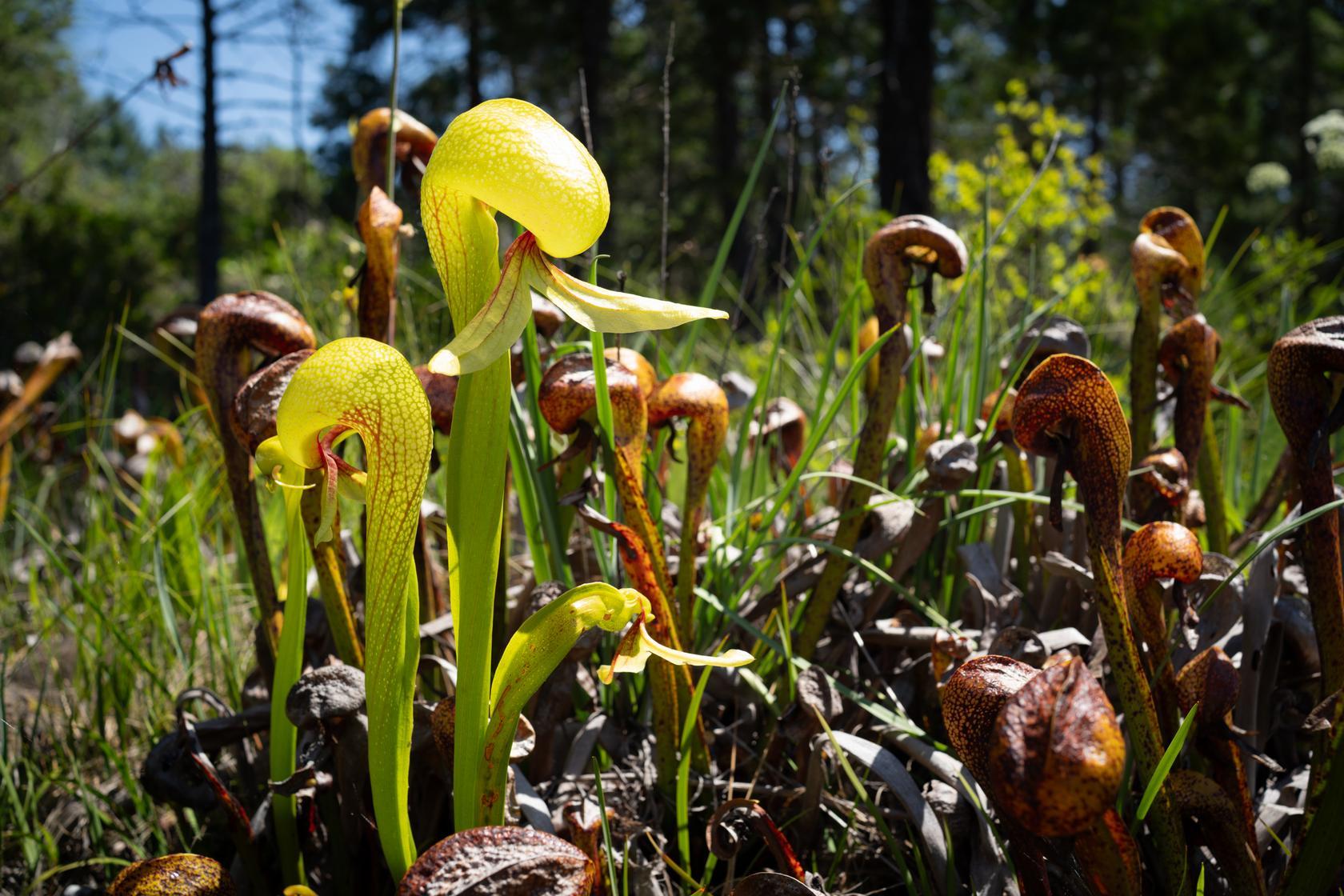
Photo Credit: Whit Hassett
Why is the Wild Rivers Coast so special?
The Wild Rivers Coast of Northern California and Southern Oregon is home to rare and rich biodiversity and a concentrated group of salmon strongholds including the Illinois, Rogue, and Smith Rivers. Reasons to care include:
- Wild runs of salmon and steelhead. The Wild Rivers Coast supports spring and fall Chinook salmon, coho, summer and winter steelhead, coastal cutthroat trout, and Pacific lamprey.
- Unique geology. It’s one of the few places on the planet where mantle rocks from the earth’s core have protruded to the surface, creating unique serpentine geological conditions.
- Pristine water. Deep spring-fed flows support thriving wild fish runs and year-round drinking water for local communities.
- Biodiversity. Endemic plants evolved here that exist nowhere else, from the carivorous cobra lily to the Darlingtonia leachiana wildflower.
- Outdoor recreation economy. The region is a hub for outdoor recreation, from hunting and fishing to rafting, hiking, and botanizing.
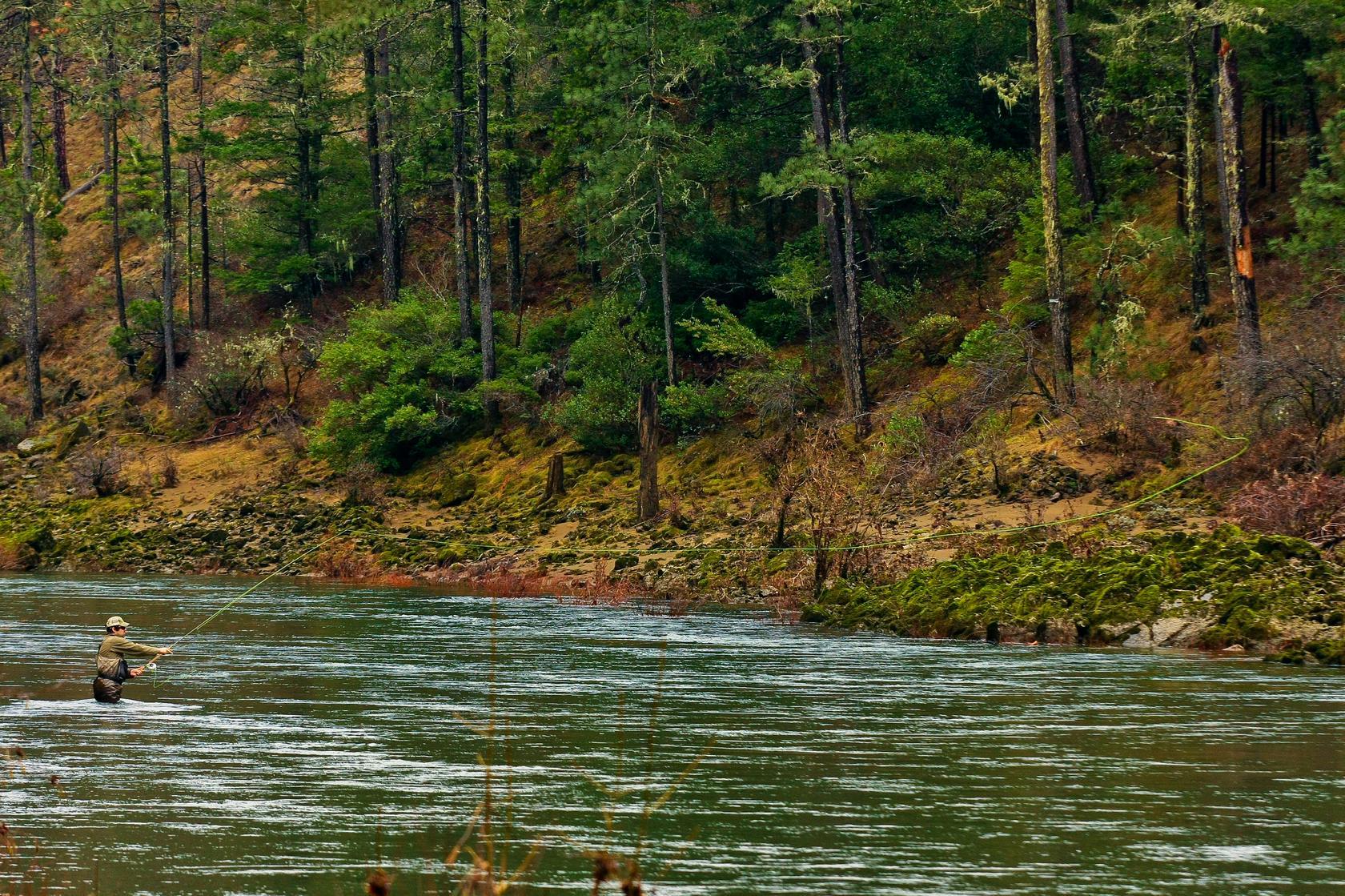
Photo Credit: Ken Morrish
Why are mining companies coming to the Wild Rivers Coast?
The same unique geology and soils that created this region’s exceptional plant diversity also mean that it contains low grade deposits of nickel, gold, and chromium. Recent federal executive orders are demanding more domestic mining—particularly for minerals like nickel, used for batteries. That’s revved up interest from mining companies including Canada’s Homeland Nickel.
- Soils across the Wild Rivers Coast contain low grade deposits of nickel, gold, and chromium.
- Mining companies including Homeland Nickel have acquired nine existing older mining claims within the region.
- Federal executive orders from the Trump Administration call for more domestic mineral extraction.
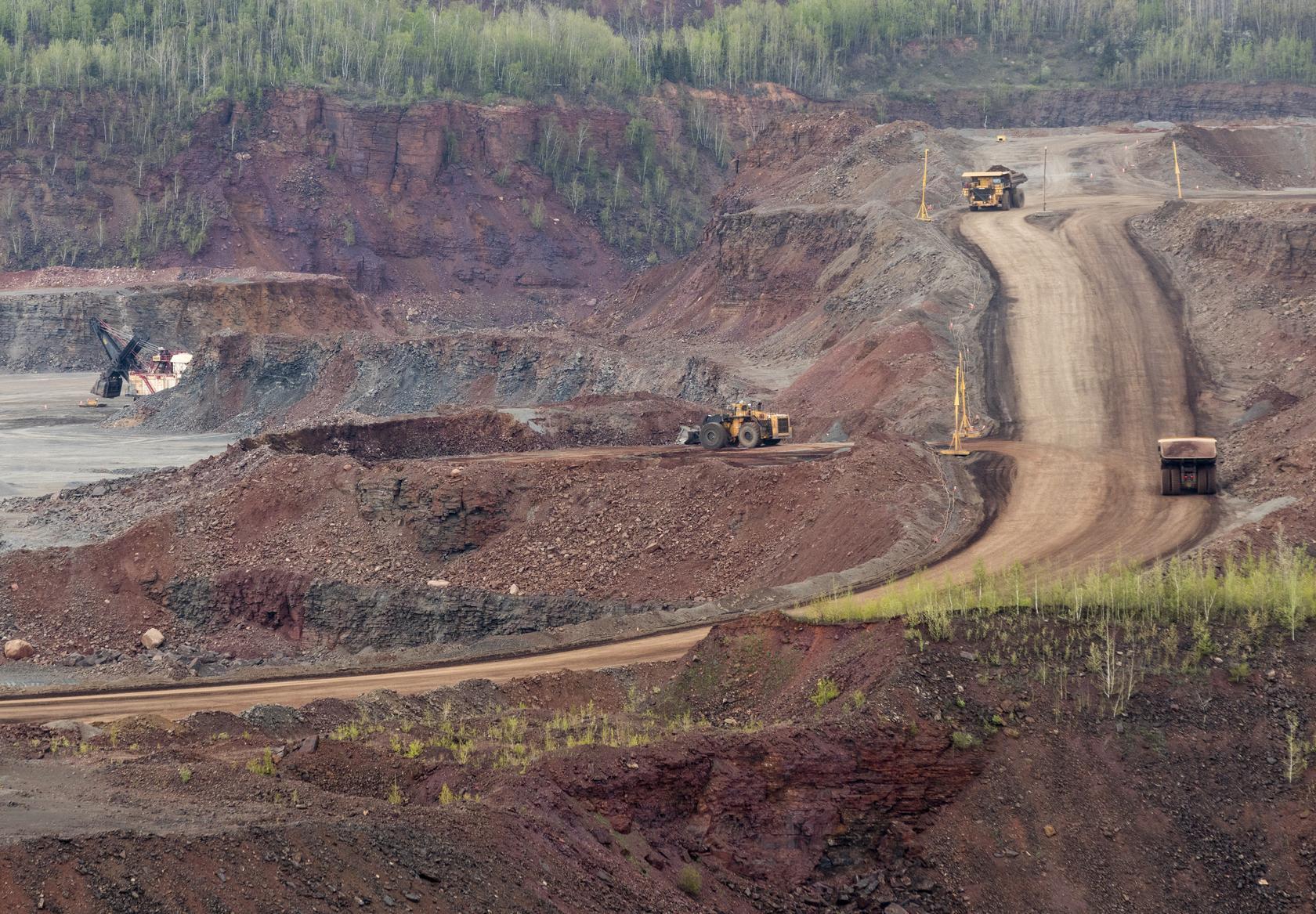
Photo Credit: AG ChapelHill, iStock
Why is nickel strip mining a bad idea?
The metals mining industry is the single largest source of toxic pollution in the United States, according to the Environmental Protection Agency. Nickel strip mining in the Wild Rivers Coast would take place in mountainous regions that feed the headwaters of rivers including the Pistol, Illinois, and North Fork Smith.
- Nickel laterite strip mining requires the removal of large amounts of surface earth—along with either toxic chemical processing or energy-intensive smelting—to extract even small amounts of the target mineral, leaving behind tailings ponds and large swaths of earth denuded of plants and topsoil.
- Serious risks from nickel strip mining include chemical leaching from tailings ponds, air pollution (from dust or smelting), landscape destabilization, landslides and erosion, and water quality degradation through rainy season runoff.
- The negative impacts of industrial mining on fish and wildlife, soil and water quality, and local economies can last for generations. Examples of how the industry’s activities can erode the community and ecological health are well documented in nickel mining regions of Indonesia.
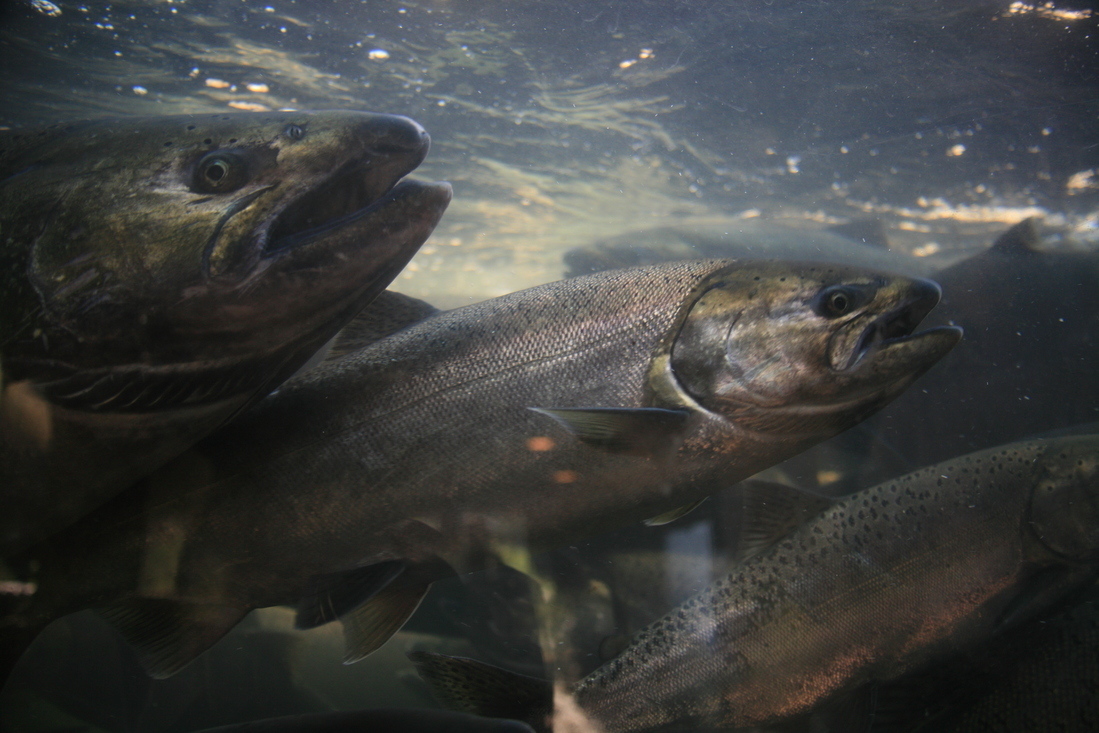
Photo Credit: Guido Rahr
Why isn’t the Wild Rivers Coast protected from mining?
Some protections do exist for parts of the Wild Rivers Coast. But mining companies are testing those limits, and finding loopholes. And many parts of this region are not yet protected.
- Starting in the 1980s, Oregon, California, and the U.S. Congress named specific parts of these watersheds as National Wild and Scenic Rivers, National Recreation Areas, Outstanding Resource Waters, and Botanical Waysides, and other protective designations. A 20-year federal mineral withdrawal is also in effect for 101,000 acres in the region through 2037.
- But across the region, numerous mining claims are already staked that are not subject to these restrictions.
- Mining companies have also found a loophole around the mineral withdrawal: it only bans new mining claims—not new mines. Owners of claims filed before the withdrawal went into effect can still develop mines if they can demonstrate through confirmation drilling that mining older claims could be profitable.
- That loophole is currently being pursued by Canadian company Homeland Nickel and its U.S. subsidiaries, which now own nine claims across 17,000 acres. Homeland Nickel has already proposed exploratory drilling at two sites: Red Flat at the headwaters of Pistol River and Hunter Creek, and Cleopatra Ridge near the headwaters of the North Fork Smith River.
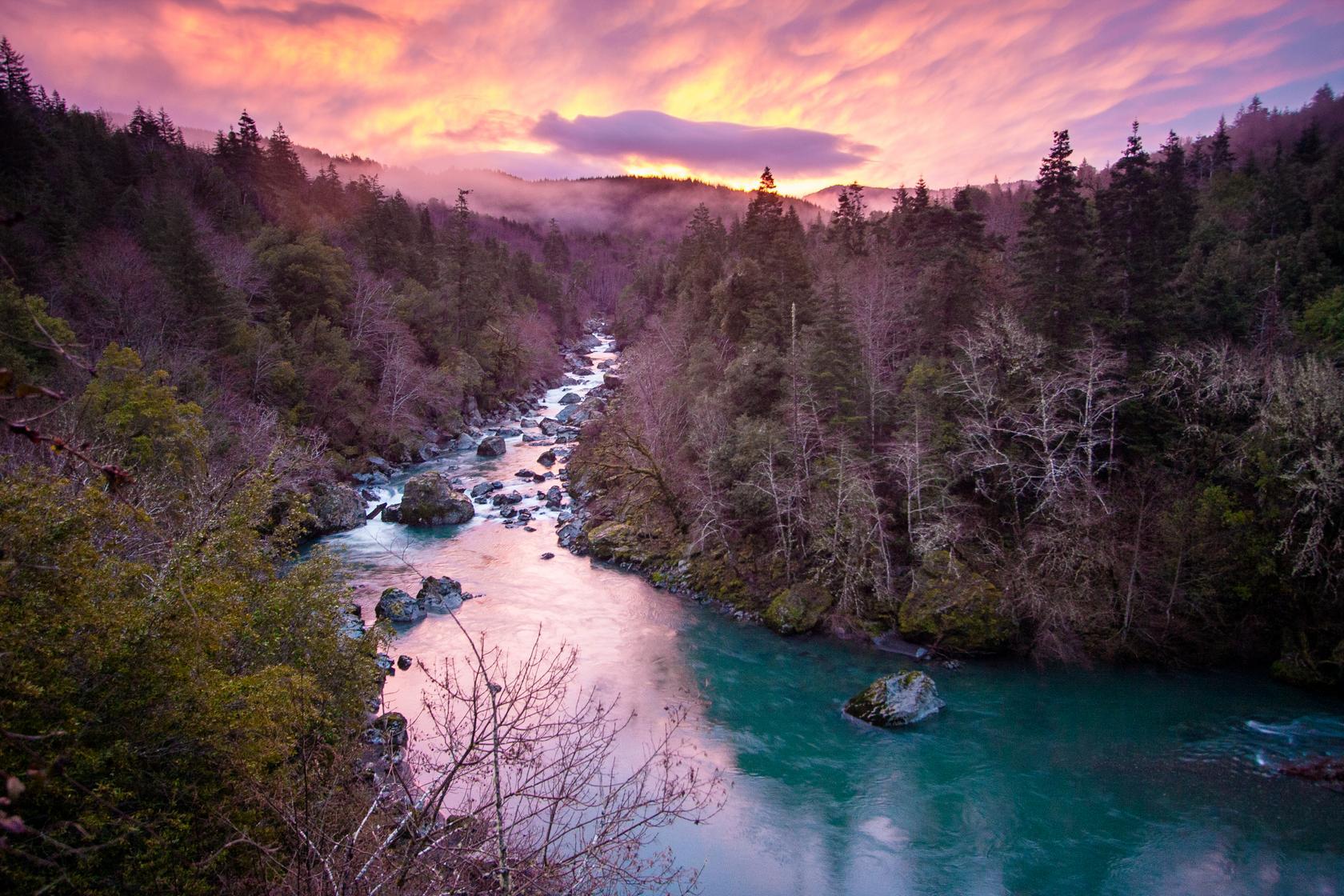
Photo Credit: Ken Morrish
So what can we do to stop these mines?
Our coalition is working to stack new and better land and water quality protections across the Wild Rivers Coast. That starts with Outstanding Resource Waters designation for Rough and Ready Creek and the Wild and Scenic Illinois River.
- In 2027, we aim to secure this powerful state designation for both the Illinois River and Rough and Ready Creek.
- In early 2027, the Oregon Department of Environmental Quality will open public comment periods for these two proposed ORW designations. You can speak up!
- Following written public comment, DEQ will hold an in-person meeting in Southern Oregon. This meeting will be a key opportunity for salmon and river advocates to show up, share their thoughts, and protect this amazing place.
- We believe that ORW designation, which derives its authority from the federal Clean Water Act, can safeguard the entire Illinois River Basin against any activity that degrades water quality.
Stay with us for updates on this action opportunity! And stay tuned for even more ways to Defend Oregon’s Wild Rivers in the coming year.
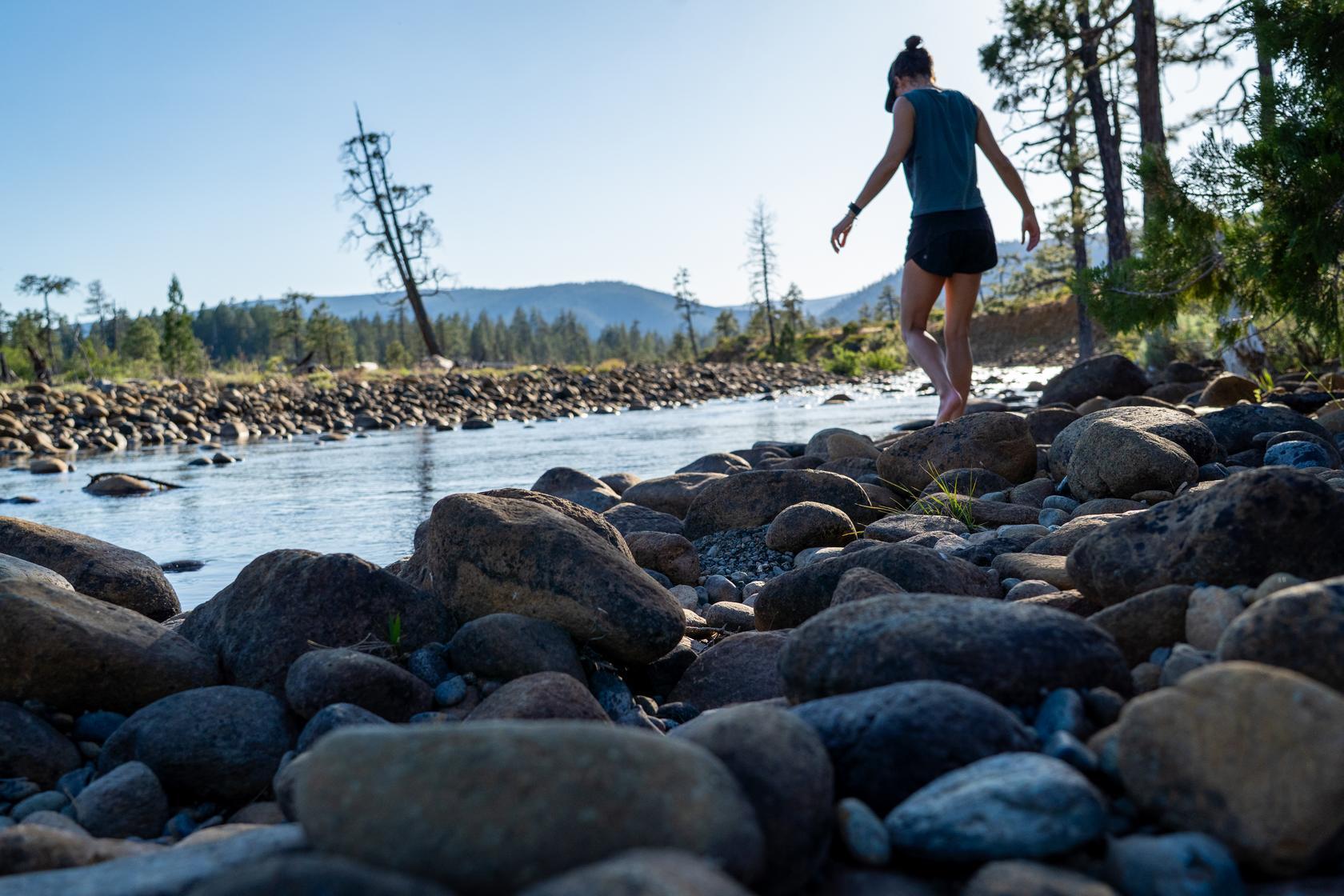
Photo Credit: Whit Hassett
Related News
Coho: A Bright Spot in Salmon Recovery Gets BrighterOctober 17, 2024 A New Path for Coho, Informed by the PastDecember 5, 2023 Coho Habitat Restoration Means Coastal JobsMay 21, 2020Join the Movement
Stay up-to-date on what we’re doing for wild salmon and how you can help.
SUBSCRIBE